


Introduction
Long before modern wellness trends, people across the world were already using mushrooms — not just as food, but as prized ingredients woven into culture and ritual. These functional fungi have a history stretching back thousands of years across Asia and beyond. Here’s a look at where they came from.
What Are Functional Mushrooms?
“Functional mushrooms” is simply the modern name for edible fungi that people have long valued as ingredients rather than as everyday food. They aren’t drugs, and they aren’t used to diagnose, treat, cure or prevent disease. In our products they’re food ingredients, chosen for their heritage and the character they bring.
A History Rooted in Tradition
The use of these mushrooms dates back over 2,000 years, with some of the earliest records in Traditional Chinese food and herbal culture. Ancient texts describe certain mushrooms reserved for emperors, prized for their rarity. Japanese monks foraged specific mushrooms; Korean tradition brewed them into tonics; and across the region, whole bodies of knowledge grew up around harvesting, preparing and serving them. Indigenous peoples across North America, Siberia and Europe used local species in their own traditions, each culture developing its own understanding.
The Key Players — Reishi, Lion’s Mane and Cordyceps
While hundreds of species exist, three have the strongest historical footprint — and they’re the three we use.
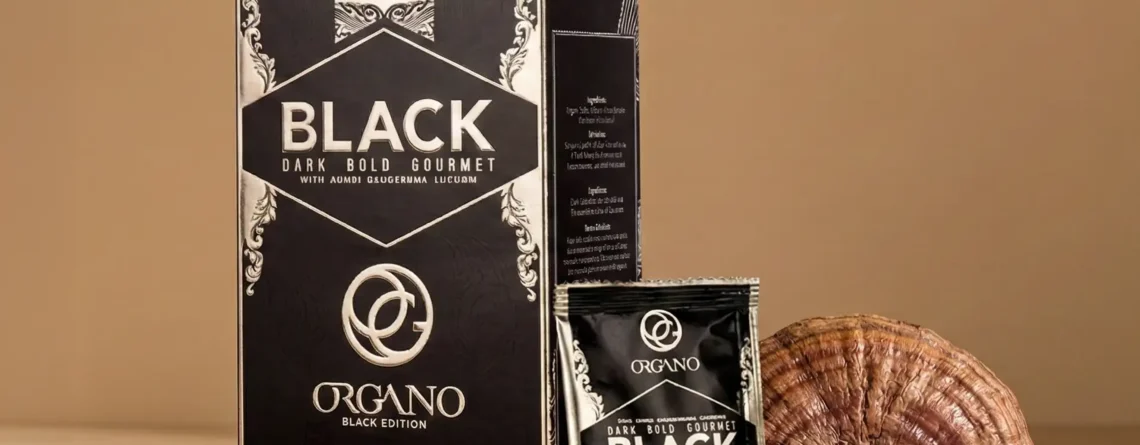
Reishi (Ganoderma lucidum) — nicknamed the “mushroom of immortality” in ancient texts. This reddish-brown mushroom grows on hardwood trees and is too woody to eat whole, so it was traditionally brewed into teas or ground into powders.
Lion’s Mane (Hericium erinaceus) — named for its distinctive cascading, shaggy white appearance, and long used in traditional East Asian cooking.
Cordyceps — the most unusual of the three. It grows in high-altitude regions of Tibet and Nepal, where Himalayan shepherds first noticed it. Its rarity once made wild Cordyceps extremely expensive, which drove the cultivation methods used today.
From Forest to Modern Cup
Moving from wild harvesting to a consistent modern ingredient took real innovation. Wild foraging isn’t sustainable or reliable at scale. Modern cultivation brings consistency, purity and sustainability, with testing for heavy metals, pesticides and contaminants — standards that simply weren’t possible historically. Processing also matters: mushroom cell walls contain chitin (the same material as shellfish shells), so modern methods break the walls down to make the mushrooms easier to work with as a food ingredient.
Why the Renewed Interest?
Modern life is busy and always-on, and there’s a growing appetite for ingredients with real provenance rather than passing fads. Functional mushrooms fit the “functional foods” idea — ingredients enjoyed regularly as part of daily nutrition. There’s also a genuine appreciation for traditional knowledge: when something has been used across cultures for millennia, it’s usually worth understanding.
A Responsible Note
Approach any new ingredient with realistic expectations. If you’re taking medication, pregnant, breastfeeding, or managing a health condition, consult a healthcare professional before adding new products to your routine.
Conclusion
Functional mushrooms sit at a fascinating meeting point of ancient culture and modern craft — a journey from imperial courts and monastery gardens to today’s coffee cups. Whether you’re drawn to the history or simply curious, they connect a well-made daily cup to traditions that have served people for thousands of years.
Leave a Reply